
News Center
Graphite Valley Industrial Group




Why is the machine-added graphite plate dominant in the field of graphite bipolar plates?
Release time:
Jun 27,2022
According to the research data of the Institute of Hydrogen and Electricity (GGII) of High Industry, Production and Research, the shipment scale of Chinese enterprises hydrogen fuel cell graphite bipolar plate reached 0.294 billion billion yuan in 2021, an increase of 49.24 percent over the previous year. Among them, the shipment scale of machine-added graphite plate was 0.257 billion yuan, up 48.55 over the previous year. In 2021, the proportion of CNC process shipments in the domestic graphite bipolar plate is more than 85%. This is because the machine plus graphite plate itself has advantages, in the graphite bipolar plate cost-effective trend, the production efficiency of the machine plus graphite plate in the increase, the price is down. The fuel cell bipolar plate is the "skeleton" in the stack, which is laminated with the membrane electrode and assembled into the stack, and plays the role of supporting, collecting current and distributing gas in the fuel cell. The importance is self-evident. Currently, fuel cell bipolar plates on the market are classified into graphite (composite) bipolar plates, metal bipolar plates, and the like. Among them, graphite bipolar plate technology has become more mature and occupies a dominant position in market applications. Graphite bipolar plates are divided into machine-added graphite plates (CNC machining process) and molded graphite plates according to different processing techniques. These two technical routes have their own characteristics. The advantage of machine-added graphite plate is that machine-added ink plate itself has the advantages of good conductivity, long service life, high power density, strong stability and excellent product performance. At present, the fuel cell industry is in the demonstration operation stage, and the market purchase volume of bipolar plate is not stable, and most of them are customized products. In this case, downstream enterprises are willing to choose machine-added graphite plate with good processing flexibility and strong adaptability for development and testing. The advantages of the molded graphite plate are short production time and high efficiency, which is more in line with the requirements of commercial mass production of fuel cells. However, compared with the machine-added graphite plate, this technical route is more difficult in process control and quality control, and the initial investment is more. Most fuel cell companies are actively expanding the diversified applications of fuel cells, such as hydrogen forklifts, cogeneration, drones, two-wheelers, etc. The applications in this part of the market are mainly machine-based graphite plates. The rise of diversified development momentum has expanded the market space of machine-added graphite plate. There are not many enterprises in China that can supply molded graphite plate products in batches, and downstream users have more opportunities to select machine-added graphite plates than molded graphite plates. In terms of graphite bipolar plates, it is inevitable that machine-added graphite plates occupy most of the market share.
According to the research data of the Institute of Hydrogen and Electricity (GGII) of High Industry, Production and Research, the shipment scale of Chinese enterprises hydrogen fuel cell graphite bipolar plate reached 0.294 billion billion yuan in 2021, an increase of 49.24 percent over the previous year. Among them, the shipment scale of machine-added graphite plate was 0.257 billion yuan, up 48.55 over the previous year. In 2021, the proportion of CNC process shipments in the domestic graphite bipolar plate is more than 85%. This is because the machine plus graphite plate itself has advantages, in the graphite bipolar plate cost-effective trend, the production efficiency of the machine plus graphite plate in the increase, the price is down.
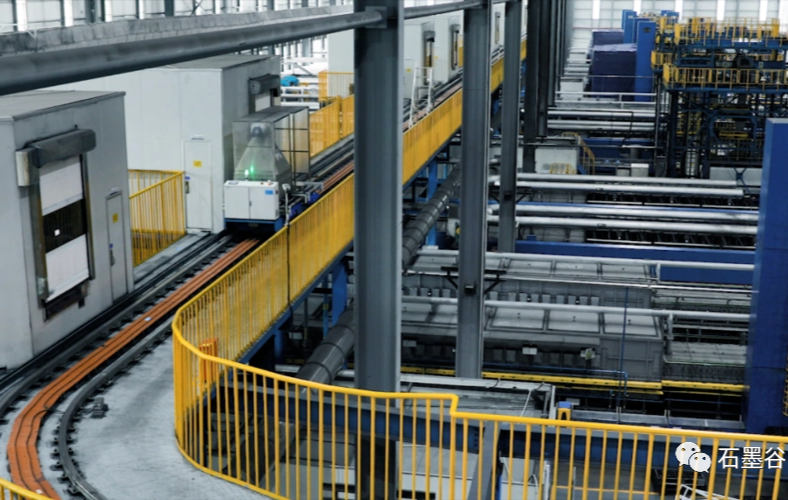
The fuel cell bipolar plate is the "skeleton" in the stack, which is laminated with the membrane electrode and assembled into the stack, and plays the role of supporting, collecting current and distributing gas in the fuel cell. The importance is self-evident. Currently, fuel cell bipolar plates on the market are classified into graphite (composite) bipolar plates, metal bipolar plates, and the like. Among them, graphite bipolar plate technology has become more mature and occupies a dominant position in market applications. Graphite bipolar plates are divided into machine-added graphite plates (CNC machining process) and molded graphite plates according to different processing techniques. These two technical routes have their own characteristics.
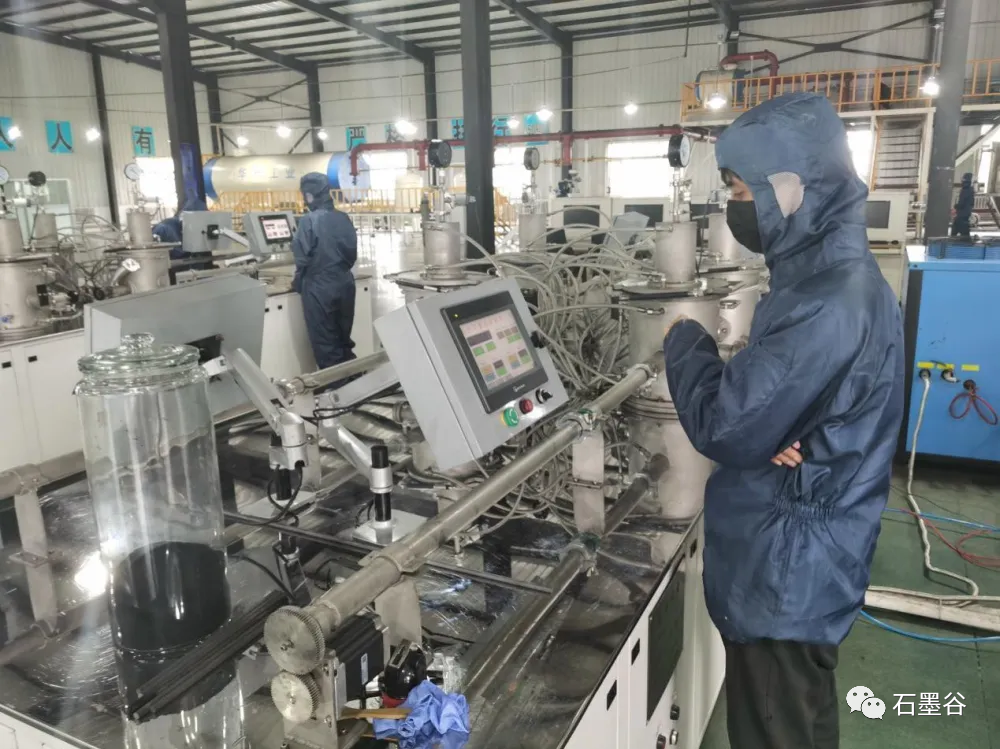
The advantage of machine-added graphite plate is that machine-added ink plate itself has the advantages of good conductivity, long service life, high power density, strong stability and excellent product performance. At present, the fuel cell industry is in the demonstration operation stage, and the market purchase volume of bipolar plate is not stable, and most of them are customized products. In this case, downstream enterprises are willing to choose machine-added graphite plate with good processing flexibility and strong adaptability for development and testing.
The advantages of the molded graphite plate are short production time and high efficiency, which is more in line with the requirements of commercial mass production of fuel cells. However, compared with the machine-added graphite plate, this technical route is more difficult in process control and quality control, and the initial investment is more.
Most fuel cell companies are actively expanding the diversified applications of fuel cells, such as hydrogen forklifts, cogeneration, drones, two-wheelers, etc. The applications in this part of the market are mainly machine-based graphite plates. The rise of diversified development momentum has expanded the market space of machine-added graphite plate. There are not many enterprises in China that can supply molded graphite plate products in batches, and downstream users have more opportunities to select machine-added graphite plates than molded graphite plates.
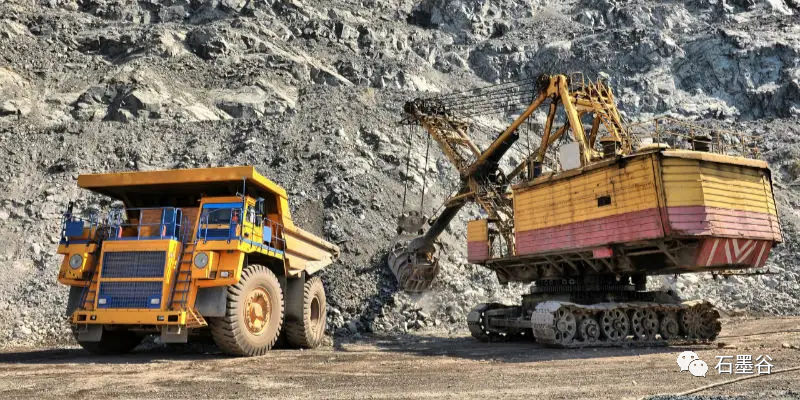
In terms of graphite bipolar plates, it is inevitable that machine-added graphite plates occupy most of the market share.
Related News
Contact Information
National Service Hotline:86-451-88118909
Address: 1299 Jubao 3rd Road, Songbei District, Harbin City
Telephone:86-451-88118909
WeChat Public Number

Copyright©2024 Graphite Valley Industrial Group | Business License