News Center
Graphite Valley Industrial Group




Haydale functionalized graphene conductive reinforcing filler
Release time:
Jun 29,2022
Every once in a while, there will be new scientific breakthroughs to change the world. According to an information disclosed by the British Haydale Company, a functionalized graphene conductive reinforcing filler developed by Haydale Company is currently a patented technology. The conductive reinforcing filler is added to the functionalized nanoparticles, and finally used in the preparation of prepreg, thereby forming a new type of functional integrated component, the technical director of the Haydale said that the functionalized graphene conductive reinforcement filler of this patented technology greatly enhances the stealth capability of the aircraft, or will bring revolutionary changes in the research process of stealth technology or wave-absorbing materials. Radar stealth is mainly to reduce the radar cross section (RCS) of the aircraft. The main measures are usually: a unique aerodynamic shape design, that is, through a special shape design to control the direction of the radar echo; the use of absorbing materials and absorbing structures that can absorb radar waves, so that the scattering field is weakened, which can not form an effective echo signal. For example, the United States F-117A stealth fighter. In the research process of stealth technology, absorbing materials and absorbing structures have become the biggest contribution point of stealth technology research. Absorbing materials can also be divided into two types from the material composition, one is a coated absorbing material, and the other is a structural absorbing stealth material. The coated wave absorbing material is made by adding wave absorbing agent to resin base or rubber base. This kind of wave-absorbing material construction, can be used brushing or spraying method of construction, can be applied to complex curved surface, such as wave-absorbing paint/stealth paint. However, this coating material has the problem of weather resistance, because it adheres to the surface of the aircraft, the surface adhesion gradually decreases with the change of service life and climate, and even falls off. At the same time, it also faces problems such as follow-up maintenance and repair. Structural wave-absorbing materials are usually made of resin/fiber-reinforced composites as carriers and added with absorbents. It is a kind of multi-functional composite material, which can not only carry the structural parts, but also have the advantages of light weight and high strength of composite materials, and can absorb or pass through electromagnetic waves well. It has become an important development direction of stealth materials. At present, some foreign military aircraft and missiles have adopted structural wave-absorbing materials, such as the horizontal stabilizer of SRAM missile, the edge of the A- 12 fuselage, the leading edge of the wing and the lift aileron, the fairing of the F-111 aircraft, the inlet of the Harrier-Ⅱ aircraft jointly developed by B- 1B, the United States and Britain, and the air-ship bomb ASM-1 and the wing of the ground-ship bomb SSM-1 developed by Mitsubishi Heavy Industries of Japan, in the picture, the UAV is jointly developed by the University of Central Lancashire and Haydale to use nano-graphene wave-absorbing carbon fiber prepreg as the "coat" of the UAV ". The rapid development of composite materials provides a guarantee for the development of structural absorbing materials. The new thermoplastic PEEK, PES, PPS and thermosetting epoxy resin, bismaleimide, polyimide, polyetherimide and isocyanate all have good dielectric properties, and the composite materials made of them have good radar transmission and transmission. In recent years, foreign countries have made a lot of improvement work on carbon fiber, such as changing the cross-sectional shape and size of carbon fiber, surface treatment of carbon fiber surface, so as to improve the electromagnetic properties of carbon fiber, etc., for wave-absorbing structure. The Haydale developed functionalized graphene wave-absorbing stealth filler can be used for the fusion of composite materials and resins without increasing the weight, endowing the body material with radar transmission and transmission, and forming a structural wave-absorbing material. Haydale, after years of research and development, Haydale functionalized graphene conductive reinforcing filler has applied for a patent for a process that allows graphene to be functionalized through a plasma reactor-even if it can be combined with other materials, thereby taking advantage of the properties of graphene and other nanomaterials to give ordinary materials the superpower of graphene.
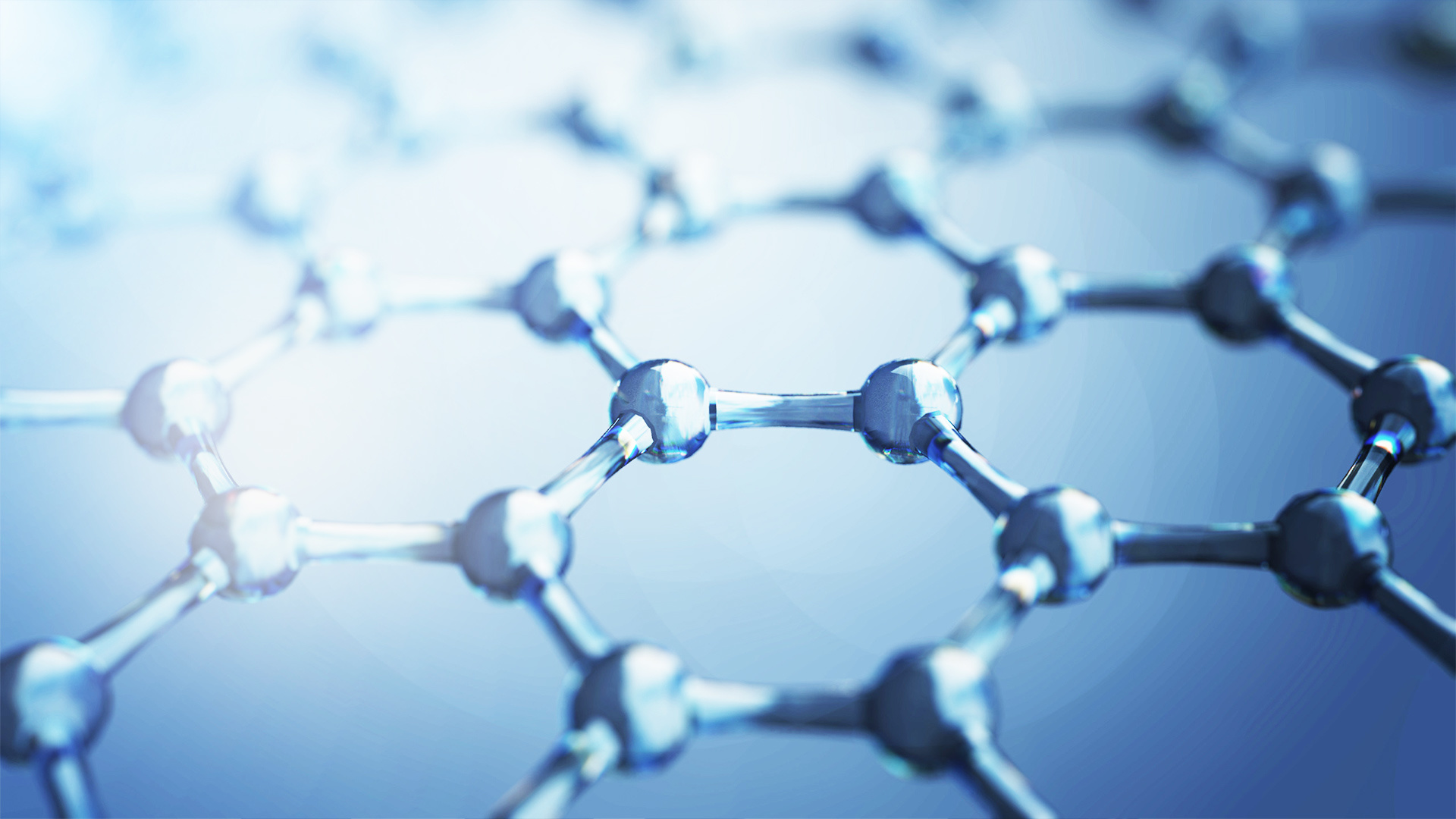
 Every once in a while, there are new scientific breakthroughs that change the world, according to a piece of information disclosed by a British Haydale company, a patented technology developed by Haydale company.Functionalized Graphene Conductive Reinforcing Filler, which uses conductive-enhanced fillers to be added to functionalized nanoparticles and ultimately used in the preparation of pre-immersion materials, thus forming a new type of functionally integrated component,The technical director of the Haydale said that the functionalized graphene conductive reinforcement filler of this patented technology greatly enhances the stealth capability of the aircraft, or will bring revolutionary changes in the research process of stealth technology or wave-absorbing materials.
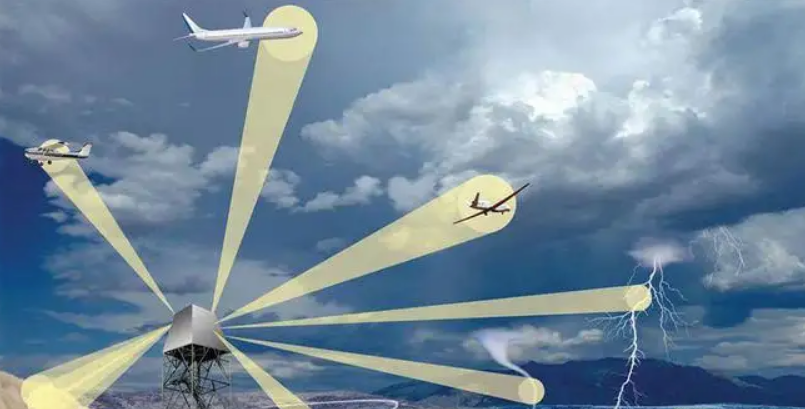
Radar stealth is mainly to reduce the radar cross section (RCS) of the aircraft. The main measures are usually: a unique aerodynamic shape design, that is, through a special shape design to control the direction of the radar echo; the use of absorbing materials and absorbing structures that can absorb radar waves, so that the scattering field is weakened, which can not form an effective echo signal. For example, the United States F-117A stealth fighter. In the research process of stealth technology, absorbing materials and absorbing structures have become the biggest contribution point of stealth technology research. Absorbing materials can also be divided into two types from the material composition, one is a coated absorbing material, and the other is a structural absorbing stealth material.
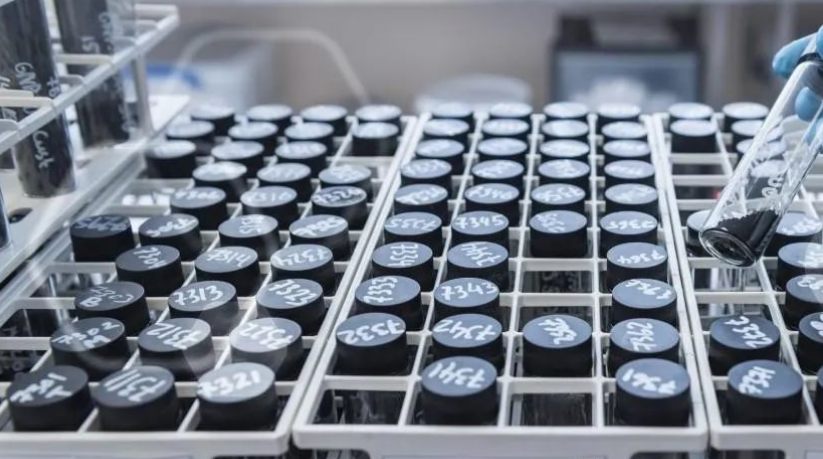
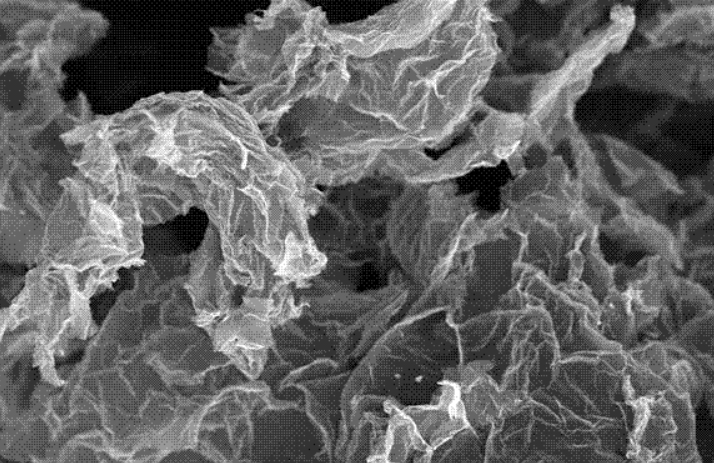 The coated wave absorbing material is made by adding wave absorbing agent to resin base or rubber base. This kind of wave-absorbing material construction, can be used brushing or spraying method of construction, can be applied to complex curved surface, such as wave-absorbing paint/stealth paint. However, this coating material has the problem of weather resistance, because it adheres to the surface of the aircraft, the surface adhesion gradually decreases with the change of service life and climate, and even falls off. At the same time, it also faces problems such as follow-up maintenance and repair. Structural wave-absorbing materials are usually made of resin/fiber-reinforced composites as carriers and added with absorbents. It is a kind of multi-functional composite material, which can not only carry the structural parts, but also have the advantages of light weight and high strength of composite materials, and can absorb or pass through electromagnetic waves well. It has become an important development direction of stealth materials.
 At present, some foreign military aircraft and missiles have adopted structural wave-absorbing materials, such as the horizontal stabilizer of SRAM missile, the edge of the A- 12 fuselage, the leading edge of the wing and the lift aileron, the fairing of the F-111 aircraft, the inlet of the Harrier-Ⅱ aircraft jointly developed by B- 1B, the United States and Britain, and the air-ship bomb ASM-1 and the wing of the ground-ship bomb SSM-1 developed by Mitsubishi Heavy Industries of Japan,In the picture, the UAV is jointly developed by the University of Central Lancashire and Haydale to use nano-graphene wave-absorbing carbon fiber prepreg as the "coat" of the UAV ".The rapid development of composite materials provides a guarantee for the development of structural absorbing materials. The new thermoplastic PEEK, PES, PPS and thermosetting epoxy resin, bismaleimide, polyimide, polyetherimide and isocyanate all have good dielectric properties, and the composite materials made of them have good radar transmission and transmission. In recent years, foreign countries have made a lot of improvement work on carbon fiber, such as changing the cross-sectional shape and size of carbon fiber, surface treatment of carbon fiber surface,To improve the electromagnetic properties of carbon fiber, etc., for absorbing structure.
 The Haydale developed functionalized graphene wave-absorbing stealth filler can be used for the fusion of composite materials and resins without increasing the weight, endowing the body material with radar transmission and transmission, and forming a structural wave-absorbing material. Haydale after years of research and development,Haydale functionalized graphene conductive reinforcing filler has applied for a process patent., The process allows graphene to be functionalized through a plasma reactor-even if it can be combined with other materials, thereby using the properties of graphene and other nanomaterials to give ordinary materials the superpower of graphene.
Related News
Contact Information
National Service Hotline:86-451-88118909
Address: 1299 Jubao 3rd Road, Songbei District, Harbin City
Telephone:86-451-88118909
WeChat Public Number

Copyright©2024 Graphite Valley Industrial Group | Business License